Scheria, in the Odyssey, is the beautiful and prosperous island home of the seafaring Phaeacians. Favored by Poseidon, they possess magically swift ships and enjoy a civilized life of feasting, music, and dance. King Alcinous rules wisely, and the Phaeacians are known for their hospitality, notably aiding the shipwrecked Odysseus. While a near-paradise, their involvement with Odysseus' journey shows they aren't entirely removed from the world's challenges.

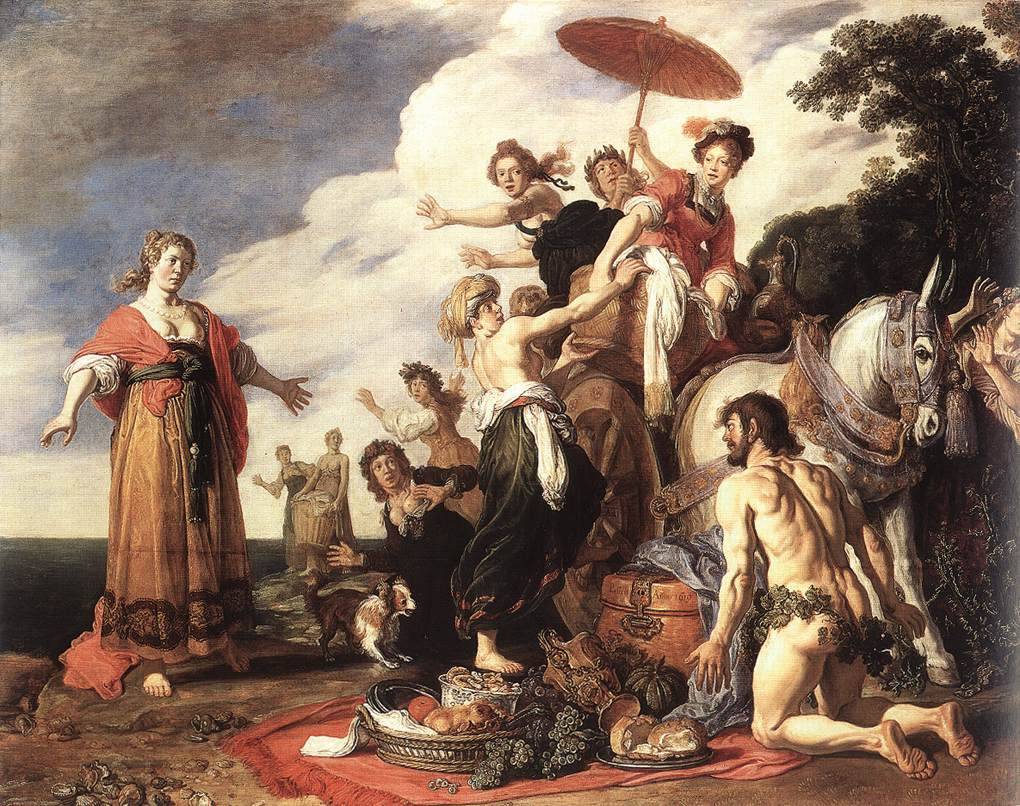
Scheria, the island home of the Phaeacians in Homer's Odyssey, occupies a unique and enchanting space in Greek mythology. It's not merely a geographical location, but a symbol of a kind of idyllic, almost otherworldly existence, a place where humans live in close proximity to the divine and enjoy a life of relative ease and comfort. While not a utopian vision in the same vein as the Golden Age, Scheria represents a kind of privileged haven, a refuge from the trials and tribulations of the heroic age. It's a place of beauty, prosperity, and advanced civilization, set apart from the more chaotic and dangerous world inhabited by Odysseus and his contemporaries.
The island itself is described as a paradise of sorts, fertile and well-cultivated. The Phaeacians are skilled seafarers, renowned for their swift and magically-powered ships, which are able to navigate the seas without the need for sails or rudders. This technological prowess sets them apart from other mortals and hints at their close relationship with the gods. Their ships are not just vessels for transportation; they are almost extensions of the Phaeacians themselves, reflecting their ingenuity and their connection to the sea. This mastery of seafaring is a key element of their identity and contributes significantly to their prosperity and their ability to maintain a peaceful and comfortable existence.
The Phaeacian society is highly civilized and refined. They are known for their love of feasting, music, and dancing, and their court is a place of elegance and hospitality. King Alcinous, the ruler of Scheria, is a wise and just king, and his court is a gathering place for wise counsel and entertainment. The Phaeacians value pleasure and enjoyment, but not at the expense of their duties and responsibilities. They are generous and welcoming to strangers, as demonstrated by their reception of Odysseus, who arrives on their shores shipwrecked and destitute. Their willingness to help Odysseus, to provide him with food, shelter, and ultimately, safe passage home, reflects their strong sense of hospitality and their adherence to the ancient Greek code of xenia, the sacred law of guest-friendship.
The Phaeacians' relationship with the gods is a crucial aspect of their character. They are particularly favored by Poseidon, the god of the sea, who is their patron deity. Nausithous, the father of Alcinous, is said to have been a son of Poseidon, further emphasizing the divine connection of the Phaeacian people. This divine favor is reflected in their prosperity, their seafaring skills, and their ability to live a life of relative peace and comfort. It's not that the gods directly intervene in their lives on a daily basis, but rather that they have established a harmonious relationship with the divine, which allows them to live in a state of grace and favor.
However, Scheria is not entirely removed from the challenges and uncertainties of the world. The Phaeacians, despite their advanced civilization and their privileged position, are still subject to the whims of fate and the power of the gods. Odysseus' arrival on their shores, and their subsequent decision to help him return home, brings them into the orbit of the larger epic narrative, with all its inherent dangers and complications. This suggests that even in a seemingly idyllic setting like Scheria, mortals are not entirely immune to the forces of destiny and the unpredictable nature of life.
Ultimately, Scheria represents a kind of ideal, a vision of a society that has achieved a high level of civilization and prosperity through a combination of skill, piety, and good fortune. It's a place where humans live in harmony with the natural world and the divine, enjoying the fruits of their labor and the pleasures of life without succumbing to the violence and hardship that characterize so much of the heroic age. While not a utopia in the strictest sense, Scheria embodies a kind of earthly paradise, a place where life is good and the human spirit can flourish.
- Log in to post comments