The Golden Age in Greek mythology was a mythical time of perfect harmony and abundance. Humans lived effortlessly, with food growing spontaneously and no need for labor. They didn't age or get sick, and death was a peaceful transition. Living in close communion with the gods, they were virtuous and just, without need for laws. This idyllic era eventually gave way to lesser ages due to declining human character and a disconnect from the divine.
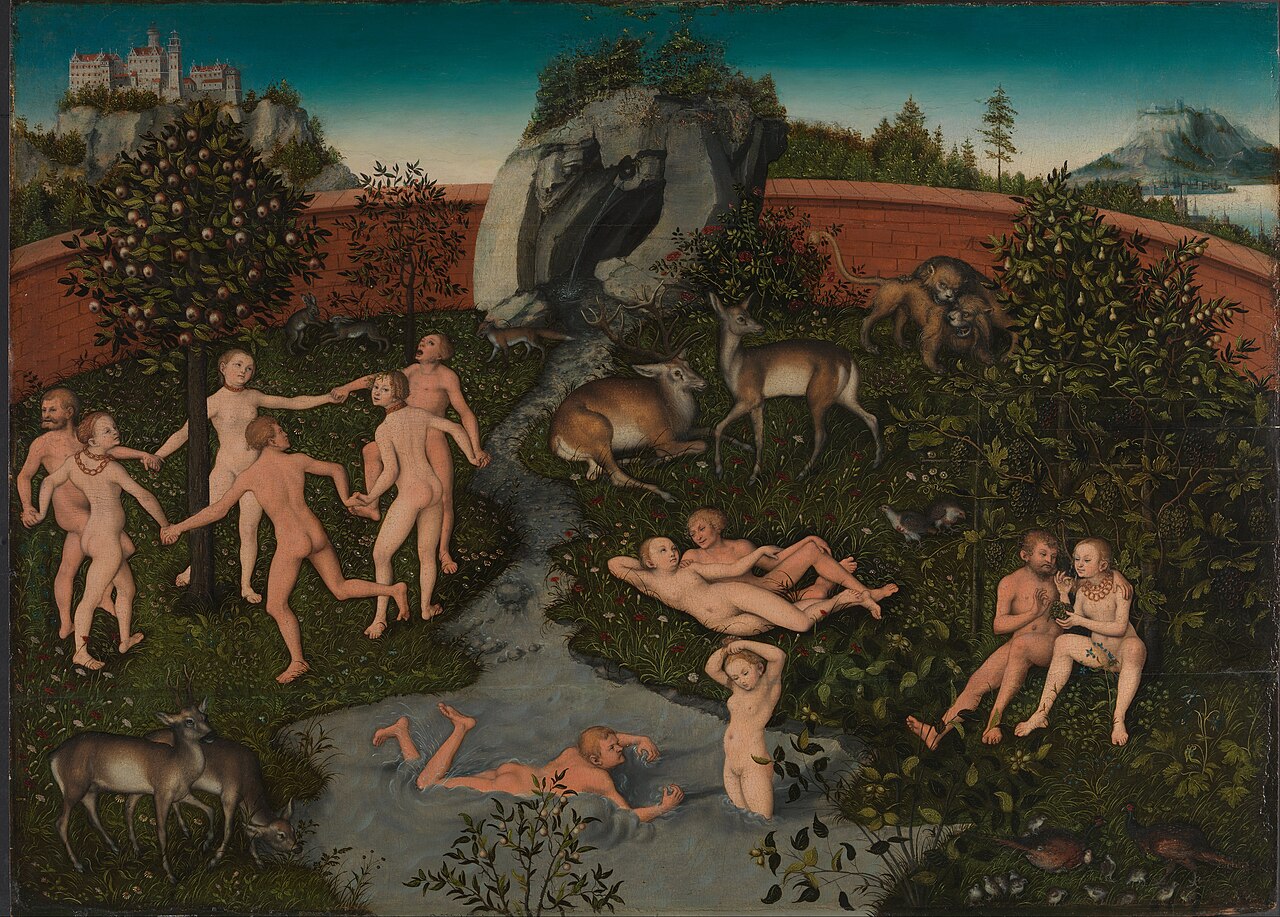
The Golden Age, a mythical epoch in Greek mythology, stands as a poignant reminder of humanity's yearning for a time of untainted bliss. It wasn't merely a period of prosperity, but a state of being, a harmonious existence free from the strife and suffering that characterize later ages. Hesiod, the earliest known writer to describe the Golden Age in his Works and Days, paints a picture of a world where nature provided abundantly, and humans lived in peace and contentment. Food grew spontaneously, requiring little to no labor, and the earth itself was bountiful, yielding its fruits without coercion. There was no need for arduous toil, no struggle for survival, no fear of scarcity. This effortless existence allowed humans to dedicate themselves to leisure and contemplation, fostering a sense of community and shared well-being.
The inhabitants of the Golden Age were not burdened by the frailties and afflictions that plague later generations. They did not age or suffer from disease. Their bodies were strong and healthy, and their lives were long and fulfilling. Death, when it came, was a gentle transition, like falling asleep. It was not a terrifying unknown, but a peaceful merging with the natural world. This lack of physical and mental suffering contributed to the overall sense of tranquility and happiness that defined the age. The absence of hardship nurtured a spirit of generosity and compassion, eliminating the need for laws or social structures based on fear and punishment. Justice was inherent, not imposed. Humans lived by an innate sense of right and wrong, guided by their conscience and their connection to the divine.
The Golden Age was not just a paradise of material comfort and physical well-being; it was also a time of spiritual connection. Humans lived in close proximity to the gods, interacting with them freely and openly. They were not separated by an unbridgeable chasm, but rather shared a common existence. This communion with the divine fostered a sense of purpose and meaning, grounding human existence in a larger cosmic order. The gods themselves were benevolent and nurturing, watching over humanity with love and care. There was no need for elaborate rituals or sacrifices to appease them, as their goodwill was freely given. This harmonious relationship between humans and gods further contributed to the overall sense of peace and contentment that characterized the Golden Age.
However, the Golden Age was not destined to last. Hesiod tells us that it was eventually succeeded by the Silver Age, a time of lesser virtue and increasing strife. The reasons for this decline are not entirely clear in the myths, but they seem to be connected to a gradual deterioration of human character and a growing disconnect from the divine. As humans became more self-centered and less mindful of their connection to nature and the gods, the idyllic conditions of the Golden Age began to fade. The ease and abundance that had once been the norm gave way to hardship and scarcity. Aging and disease became a part of human experience, and death became a source of fear and sorrow. The loss of this primordial paradise serves as a cautionary tale, reminding us of the importance of living in harmony with nature, cultivating virtue, and maintaining a connection to the divine. The memory of the Golden Age, though tinged with sadness, continues to inspire hope and the yearning for a better world, a world where peace, prosperity, and harmony prevail.
- Log in to post comments